

The historical evolution of gambling from ancient rituals to modern casinos
The historical evolution of gambling from ancient rituals to modern casinos
The Origins of Gambling in Ancient Civilizations
The roots of gambling can be traced back to ancient civilizations, where it often intertwined with religious rituals and societal customs. In Mesopotamia, for instance, archaeologists have discovered clay gaming pieces dating back to 3000 BC, indicating the presence of games of chance. The ancient Egyptians also participated in gambling activities, as evidenced by their use of dice and other gaming tools during religious ceremonies and festivities, believing that luck was a divine influence in their lives. Today, platforms like velobet casino offer modern iterations of these ancient practices.

In Ancient China, gambling took on a more structured form, with early forms of lotteries and betting on outcomes of various events documented as early as 200 BC. The game of Keno, believed to be developed during the Han Dynasty, demonstrated how gambling became integrated into the fabric of society, not just as a pastime but also as a means for raising funds for public works. This early adoption showcased how the act of gambling was often linked with economic and social development.
Throughout these ancient societies, gambling was not merely seen as a source of entertainment but also as a method of divination and decision-making. Many cultures believed that luck and fate were guided by supernatural forces. This belief system laid the groundwork for future gambling practices, influencing the ways in which games evolved and how they were perceived in various social contexts.
The Transition Through the Middle Ages
The Middle Ages marked a significant period in the evolution of gambling, characterized by both decline and resurgence. Following the fall of the Roman Empire, gambling faced scrutiny, especially from religious institutions that condemned it as immoral. Despite this, games of chance persisted, often hidden from the mainstream. The popularity of card games surged in Europe during the late Middle Ages, with playing cards believed to have originated in China before making their way to the continent.
During this time, gambling was closely linked to nobility and aristocracy. Tournaments and betting on outcomes of jousts became popular among the upper classes, who frequently wagered substantial sums on these contests. The gambling scene began to gain a semblance of organization, with rules and regulations starting to emerge. This gradual acceptance of gambling within elite circles served as a precursor to the more widespread acceptance that would come in later centuries.
The late Middle Ages also saw the establishment of the first gambling houses in major European cities. These establishments provided a structured environment for gaming, making gambling more accessible to the general populace. As gambling regained its footing, it became clear that this activity was evolving from mere pastime to a socially significant practice that would continue to develop throughout history.
The Birth of Modern Gambling in the 18th and 19th Centuries
The 18th and 19th centuries heralded a transformative era for gambling, marked by the establishment of formal casinos and gaming regulations. The first official casino, known as the Casino di Venezia, was founded in Italy in 1638, but it was in the following centuries that the concept of a casino became synonymous with entertainment and social gathering. This period witnessed the rise of various gambling forms, including betting on horse races and the emergence of lottery systems across Europe and America.
In England, the Betting Act of 1853 regulated the betting industry, allowing for the legal establishment of betting houses and laying the foundation for the modern gambling landscape. Similarly, in France, the establishment of the Monte Carlo Casino in 1863 solidified the country’s reputation as a gambling mecca. These developments represented not just the commercialization of gambling, but also the cultural acceptance of it as a legitimate entertainment form.
As gambling expanded, so did its appeal, with an increasingly diverse population seeking entertainment options. The rise of the industrial revolution brought with it increased leisure time, enabling more people to participate in various forms of gambling. The shift towards a more regulated gambling environment emphasized the need for responsible gaming practices, a consideration that remains relevant today.
The Influence of Technology and the Digital Age
The late 20th century and early 21st century marked a significant technological revolution in the gambling industry. The introduction of online gambling platforms transformed traditional gambling practices, making them accessible to a global audience. Online casinos emerged in the mid-1990s, offering a wide array of games that could be played from the comfort of one’s home. This convenience led to an exponential increase in participation rates, democratizing access to gambling like never before.
Mobile technology further revolutionized the gambling experience, with players now able to place bets and play games via smartphones and tablets. This accessibility has led to a surge in sports betting, particularly during major sporting events, with live betting options adding a new dimension to the experience. The integration of social media and online communities also played a significant role in shaping gambling trends, fostering connections among players and enhancing the overall gaming experience.
As the digital landscape evolves, so do the challenges associated with responsible gambling. With the rise of online platforms, concerns regarding addiction and fraud have emerged, prompting the industry to implement stricter regulations and promote safer gambling practices. The ongoing evolution of technology continues to shape the future of gambling, blending traditional practices with innovative solutions that cater to the modern player’s needs.
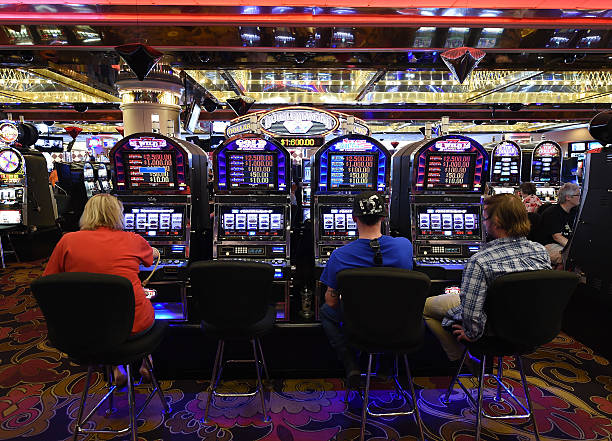
Velobet Casino: Embracing Modern Gambling Practices
Velobet Casino epitomizes the modern evolution of gambling, offering an engaging online platform that combines sports betting with a comprehensive selection of casino games. The website emphasizes user experience through a streamlined registration process, ensuring that players can easily create accounts and access various features. This commitment to user-friendliness reflects the industry’s shift towards prioritizing customer engagement and satisfaction.
Moreover, Velobet Casino actively promotes responsible gambling practices, recognizing the importance of player well-being in the digital age. The platform provides resources and support for users, ensuring that they can engage in gaming responsibly. This approach reinforces the notion that while gambling can be an enjoyable pastime, it is essential to maintain control and make informed decisions.
As Velobet Casino continues to adapt to the ever-changing landscape of online gaming, it represents a microcosm of the broader trends in the industry. By combining traditional elements with modern technology, the platform offers a unique and dynamic gambling experience that caters to a diverse audience, ensuring that it remains at the forefront of the gambling evolution.